
Covers Sewn to Fit What You Own
Appliance covers in Greeley for countertop equipment that collects dust and grease between uses
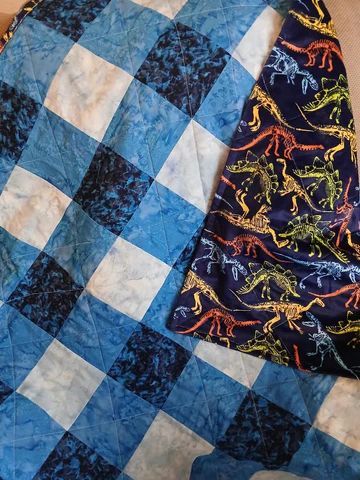
Countertop appliances left uncovered between uses accumulate grease film, dust, and residue faster in an active kitchen than most people expect. Home Sewn Treasures produces handmade appliance covers in Greeley sized to specific equipment rather than sold as approximate fits off a rack. The result is a cover that actually stays in place, lies flat against the appliance body, and protects the surfaces that matter without bunching or slipping off.
The construction process starts from the appliance dimensions—height, width, depth, and any protrusions like handles or knobs that affect how the cover drapes and closes. Fabric is selected for kitchen conditions: materials that can be wiped down or machine washed when they pick up splatter, and that hold their shape through repeated removal and replacement. A cover that stretches out of shape after a few weeks stops protecting the appliance and becomes more inconvenient than useful.
Provide your appliance measurements to Home Sewn Treasures and ask about fabric options for your kitchen's specific conditions.
How Fitted Covers Differ From Generic Ones
Generic appliance covers sold in stores are cut to approximate dimensions—usually described as fitting "most" stand mixers or "standard" air fryers—which means they frequently gap at the corners, sit too high on the sides, or require folding under to avoid dragging on the counter. A sewn-to-measure cover accounts for the actual footprint of the appliance, including the base width, the highest point of the lid or handle, and whether the cord exits from the back or the side, which affects where a vent or notch needs to be placed.
After switching to a fitted cover, the visible difference is straightforward: the cover sits flush against the appliance on all sides, lifts off cleanly without tugging, and lays flat without bunching on top. Dust and grease no longer reach the surfaces underneath because there are no gaps for them to enter. Equipment that used to need wiping down before each use stays cleaner between sessions.
Fabric weight is a functional decision, not just an aesthetic one. Heavier cotton or canvas holds structure better on larger appliances like stand mixers, while lighter quilting cotton works well for smaller items like toasters or coffee grinders where easy removal and washing matter more than stiffness..
What Owners Ask About Appliance Covers
The following questions address construction, fit, and how to prepare an accurate measurement for a custom cover order.
How do you measure an appliance for a cover?
Measure the widest point at the base, the full depth from front to back including any handles, and the height from the counter surface to the highest point—usually the top of a handle or lid hinge—so the cover clears the appliance without pulling tight.
What happens if the appliance has a cord or vent that can't be covered?
A notch or opening can be sewn into the cover at the appropriate location so the cord exits cleanly or the vent stays unobstructed while the rest of the appliance remains covered.
Why does fabric weight matter for appliance covers?
Heavier fabric holds its shape on taller or wider appliances and doesn't collapse inward, while lighter fabric is easier to fold, launder, and replace quickly for smaller countertop items used daily.
How should a fitted appliance cover be cleaned?
Most cotton covers can be machine washed on a standard cycle; washing the cover regularly rather than wiping the appliance down saves time and keeps the kitchen surface around the equipment cleaner between uses.
What tells you a cover fits correctly once it's made?
A well-fitted cover sits flush at the base on all four sides without gaps, lifts off in one motion without catching on knobs or handles, and the top lies flat without excess fabric bunching at the corners.
Home Sewn Treasures can produce a cover for nearly any countertop appliance once accurate measurements are provided. Send your appliance dimensions along with any notes about cord placement or knob position to begin the order.