
Cases Cut and Sewn to Your Laptop's Measurements
Laptop cases in Greeley for any screen size once measurements are provided, sewn to fit rather than approximate
Off-the-shelf laptop cases are sold by screen size, but screen size alone doesn't determine how the laptop actually fits. Two laptops with the same screen diagonal can differ by more than an inch in both width and depth depending on the manufacturer's bezel design and chassis dimensions. Home Sewn Treasures makes laptop cases in Greeley built from the measurements you provide—not from a size category—so the case fits the actual device rather than a range of devices the label claims it covers.
The process starts with three measurements: the width of the laptop at its widest point, the depth from front hinge to back edge, and the thickness when closed. Those three numbers determine the interior dimensions of the case, with construction allowances built in so the laptop slides in and out cleanly without forcing. The outer fabric, padding layer, and closure type are all selected based on what the case will be used for—daily carry in a bag, occasional transport, desk storage—because each use pattern puts different demands on the seams and closure hardware.
Send your laptop's measurements to Home Sewn Treasures to begin discussing fabric and closure options for your case.
What Proper Fit Requires in a Sewn Laptop Case
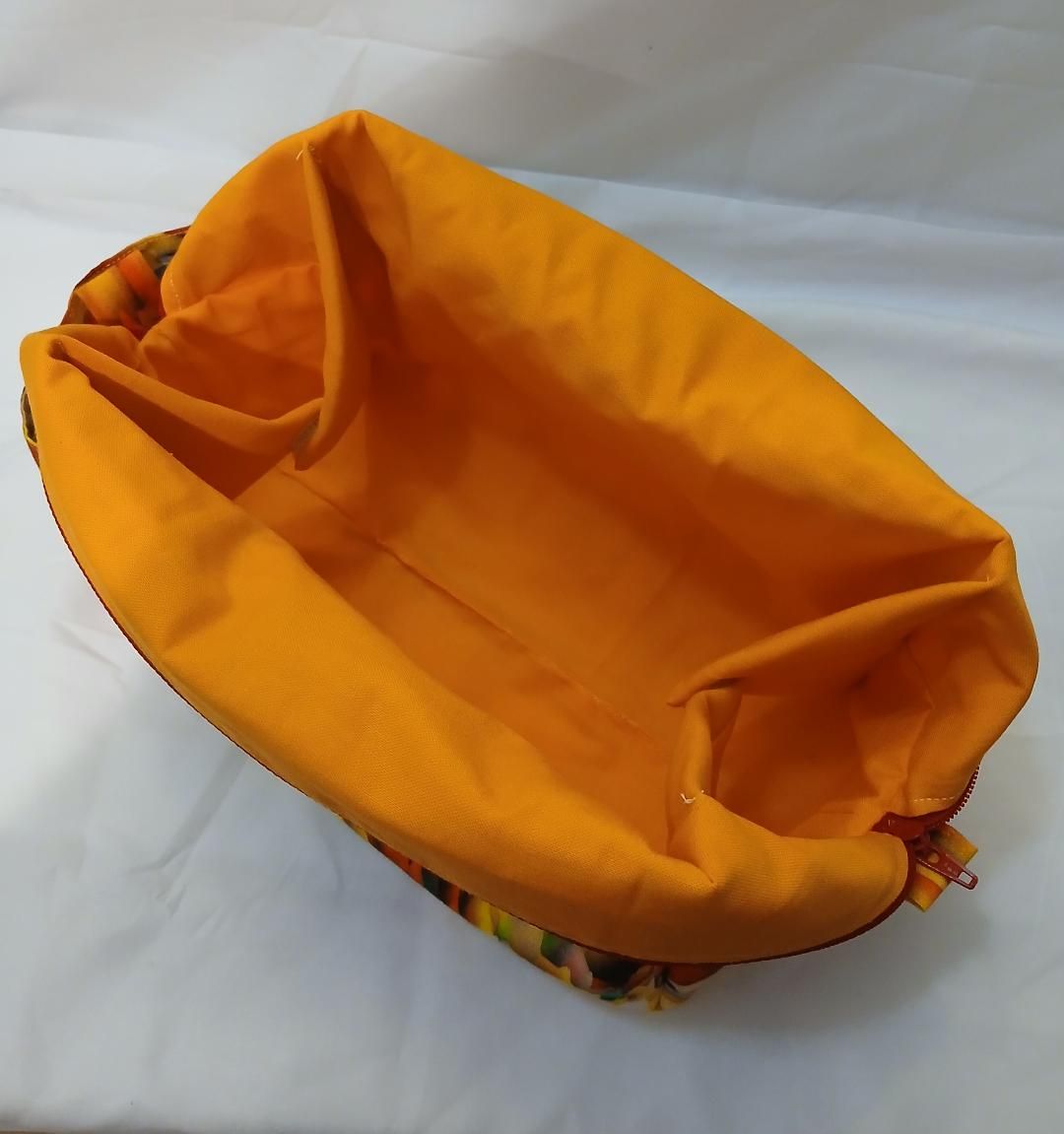
A case built to the device's actual measurements handles the two failure points that poorly fitted cases share: too loose and too tight. A case with too much interior space allows the laptop to shift during transport, which means the corners and screen edge absorb impact rather than the padded sides of the case absorbing it first. A case cut too tight puts stress on the zipper or closure every time the laptop is inserted, which accelerates wear at the opening before the rest of the case shows any signs of use. Measuring to the actual device eliminates both problems at the construction stage.
Once the case is completed, the laptop should slide in with light resistance and sit without movement inside the closed case. The zipper or closure should operate without pulling, the corners of the case should align with the corners of the device, and the padding should be evenly distributed on all four sides rather than concentrated only at the bottom. Home Sewn Treasures builds padding into the case construction rather than relying on the outer fabric alone to cushion the device during handling.
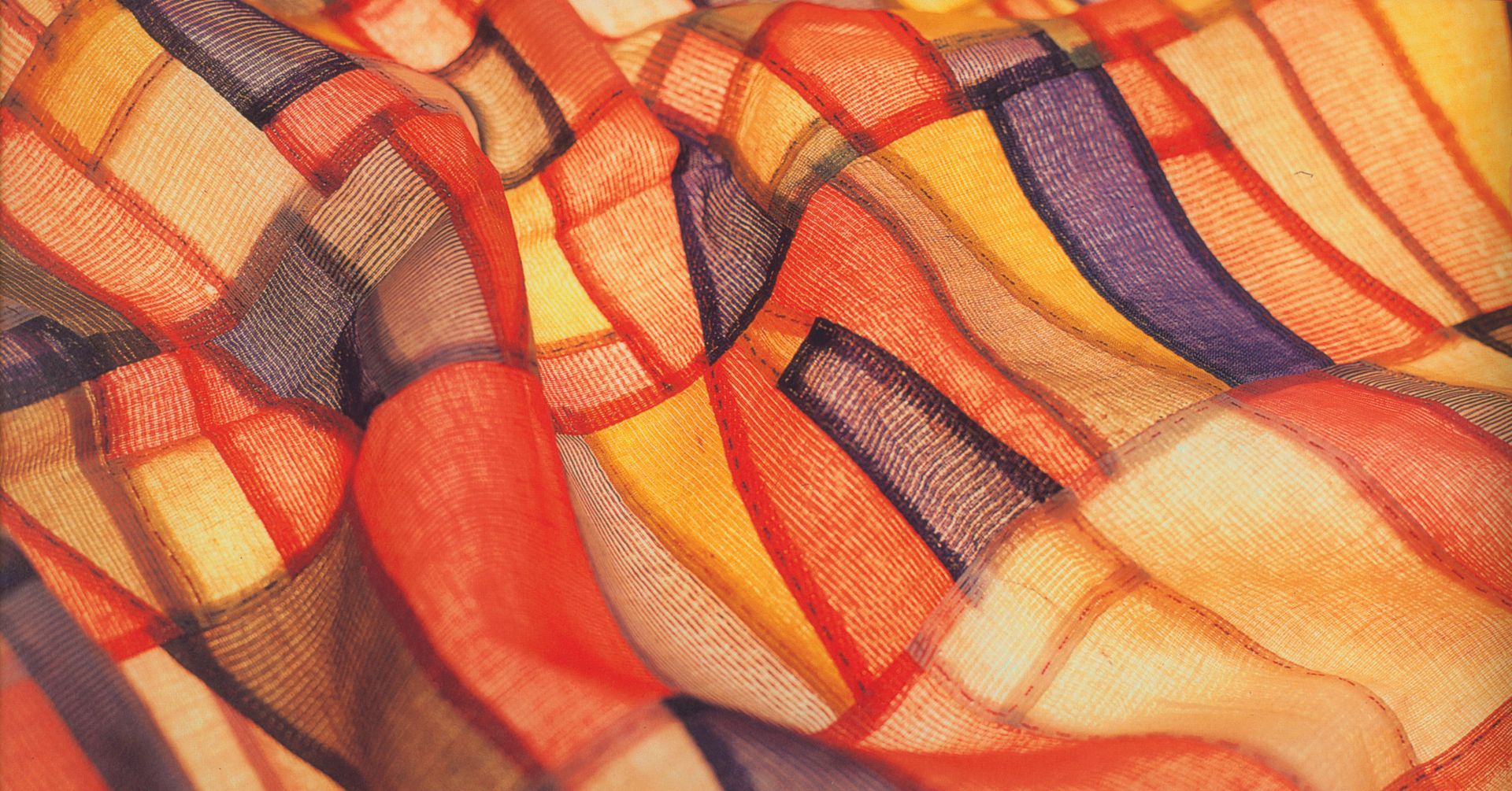
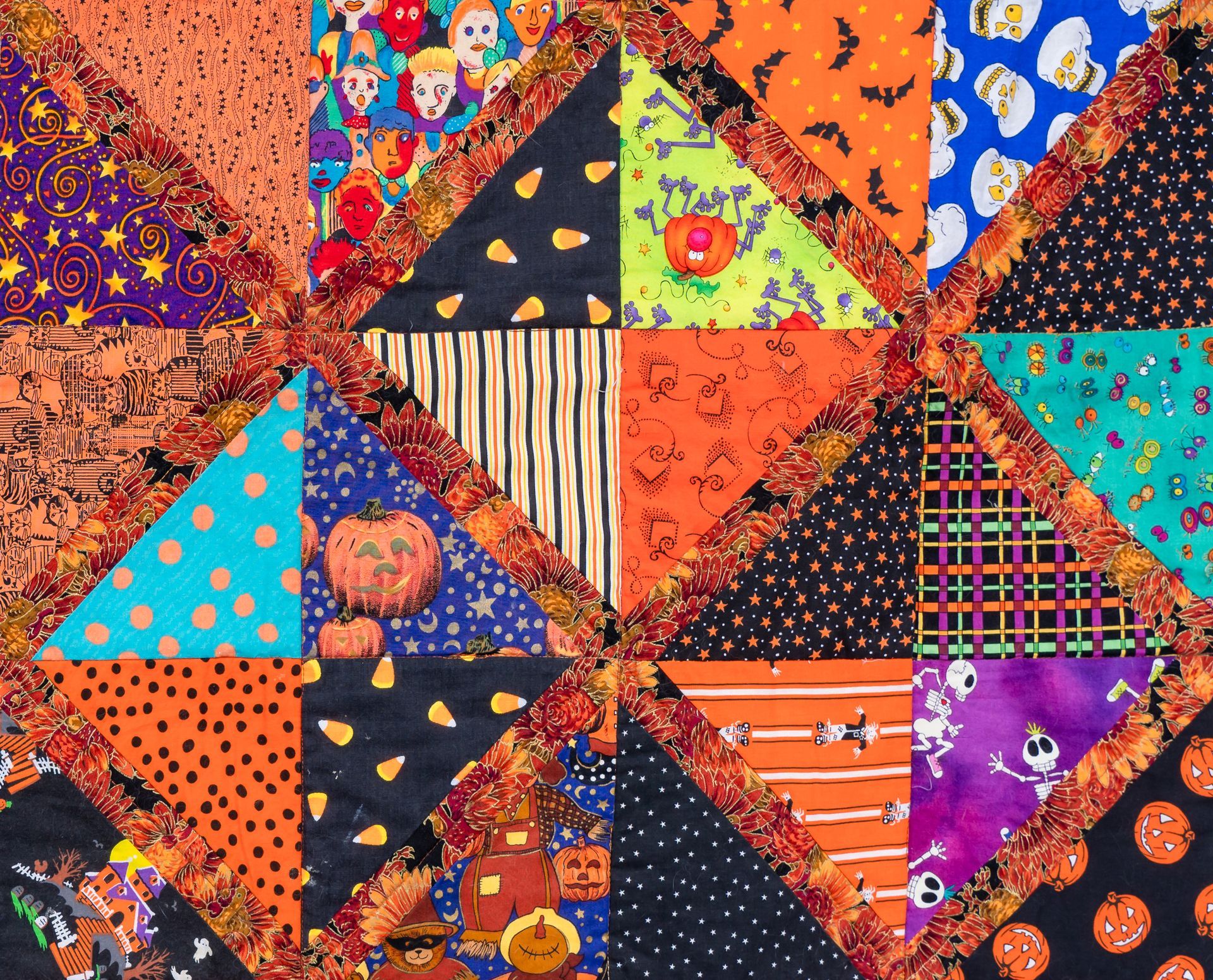
Fabric choices for the exterior affect both durability and appearance. Heavier canvas or denim holds up better in daily-carry situations where the case is placed in and removed from a bag repeatedly. Quilting cotton works well for desk or home storage use where the case primarily protects against dust and incidental contact rather than repeated friction from bag interiors.
What to Know Before Ordering a Custom Laptop Case
These questions address how measurements are taken, what the construction involves, and what to consider when choosing materials for a sewn-to-measure laptop case.
How do you measure a laptop correctly for a custom case?
Measure the width across the widest point of the base, the depth from the back hinge edge to the front lip, and the full thickness when the lid is closed and latched; measuring while the laptop is open or propped will produce an inaccurate depth and result in a case that is too loose when closed.
What type of closure works best for a sewn laptop case?
Zipper closures provide the most secure containment and distribute stress evenly across the opening when operated correctly; hook-and-loop closures are easier to use quickly but wear faster under daily repetition and may not hold as securely if the laptop fits tightly.
How thick should the padding be in a laptop case?
Padding between a quarter inch and three-eighths of an inch on the sides and back provides meaningful cushioning without adding so much bulk that the case no longer fits in a standard bag compartment alongside other items.
What happens if you provide measurements and the laptop changes or is replaced?
A sewn case is built to specific dimensions, so a replacement laptop with different measurements would require a new case; the original case remains usable for any device whose dimensions fall within the original interior measurements.
Why does the fabric choice matter for daily-carry use specifically?
Why does the fabric choice matter for daily-carry use specifically? Fabrics used in daily-carry situations experience repeated friction against bag interiors, compression from surrounding items, and frequent handling at the opening edge; tightly woven, heavier fabrics resist abrasion and pilling at those stress points far longer than loosely woven decorative fabrics.
Home Sewn Treasures can produce a fitted laptop case for any size device as long as accurate measurements are provided before construction begins. Send your width, depth, and thickness measurements along with any preferences on fabric weight or closure type to move forward with an order.